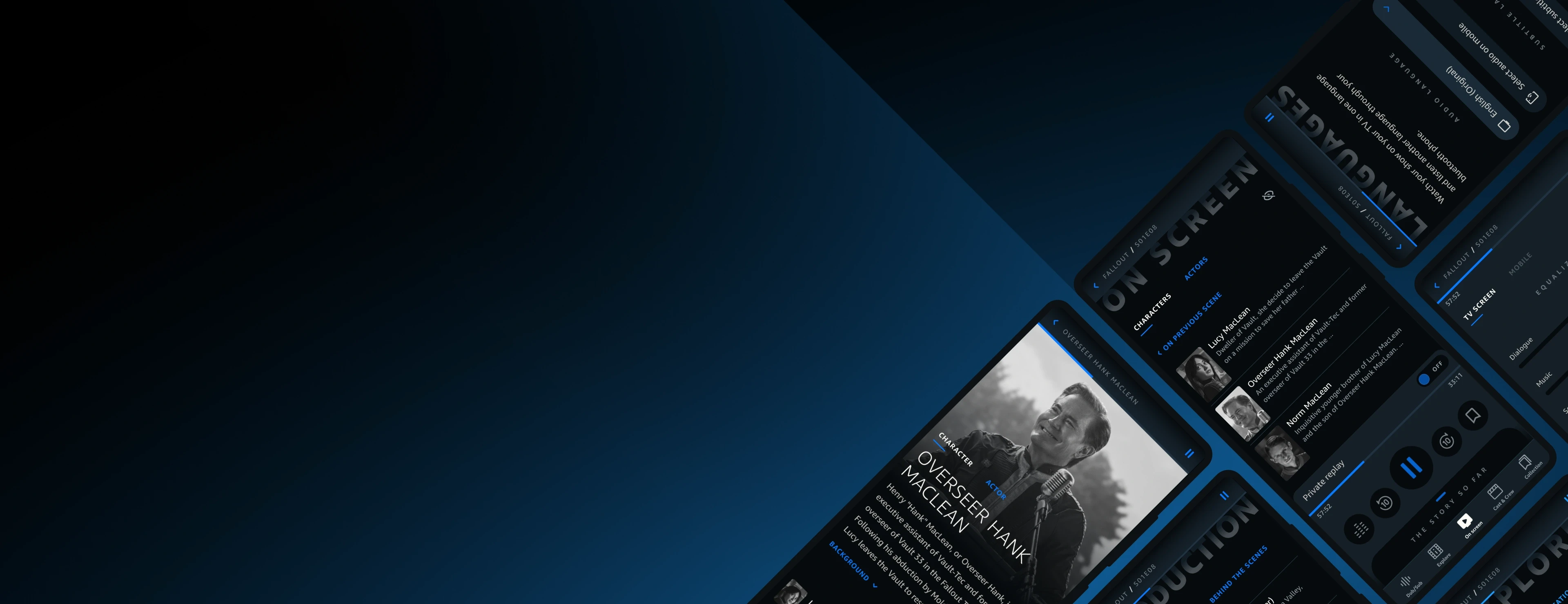
Prime Video X-Ray
2
Streaming platforms are built for a single screen
and a solitary user, yet we rarely watch alone. This case study introduces X-Ray², a redesign that transforms the smartphone and the TV into a synchronized multi-screen ecosystem tailored for shared viewing.
AMazon
Co-viewing is the primary way we stream
Dissociate information
from the Narrative
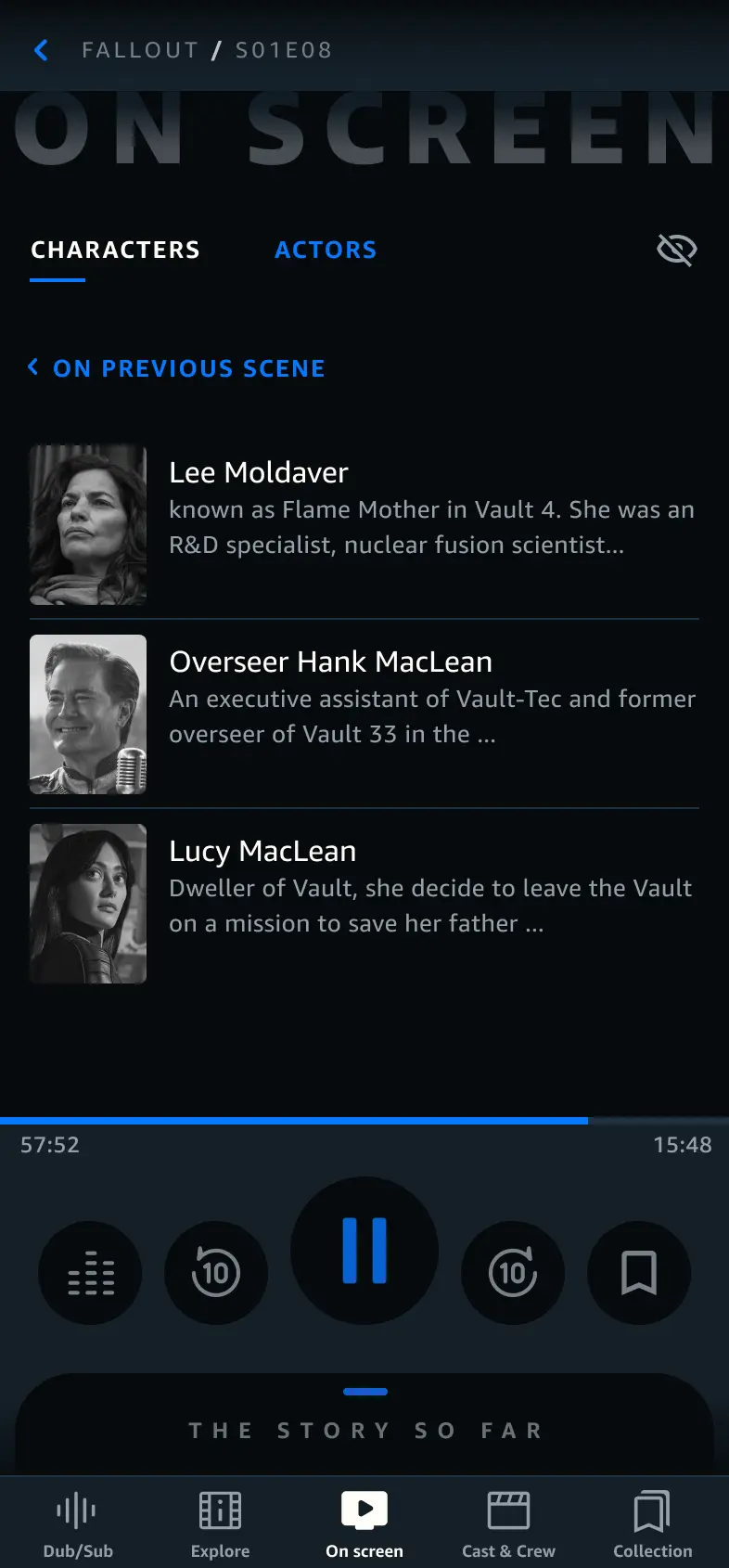
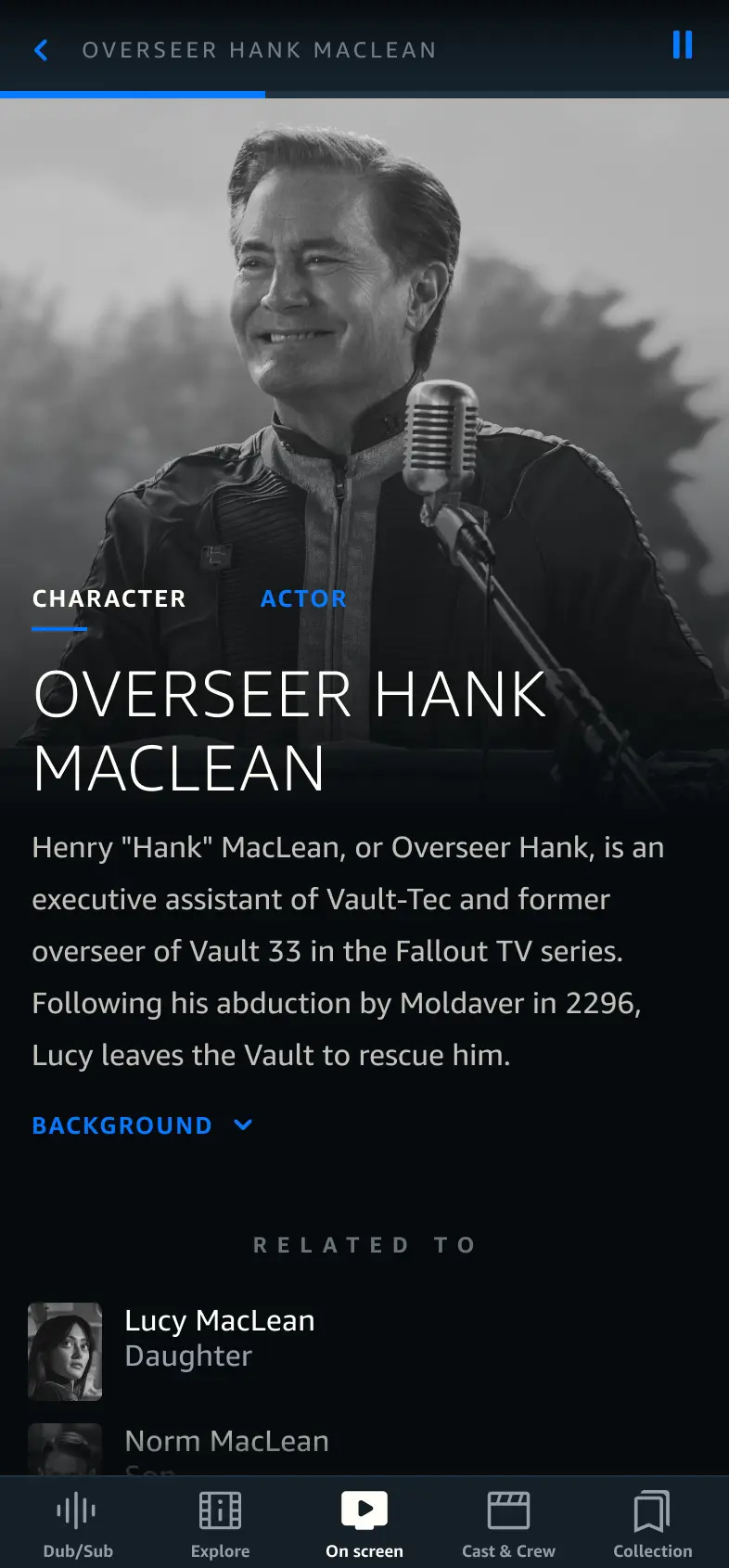
Moving X-Ray to the phone only solves half the immersion problem. It still shatters the illusion by thrusting real-world actors into view. When watching Fallout, you want to see The Ghoul first, not Walton Goggins.
Character and actor are now two distinct layers. Two curiosities. Two depths. You stay inside the fiction until you choose to leave it.
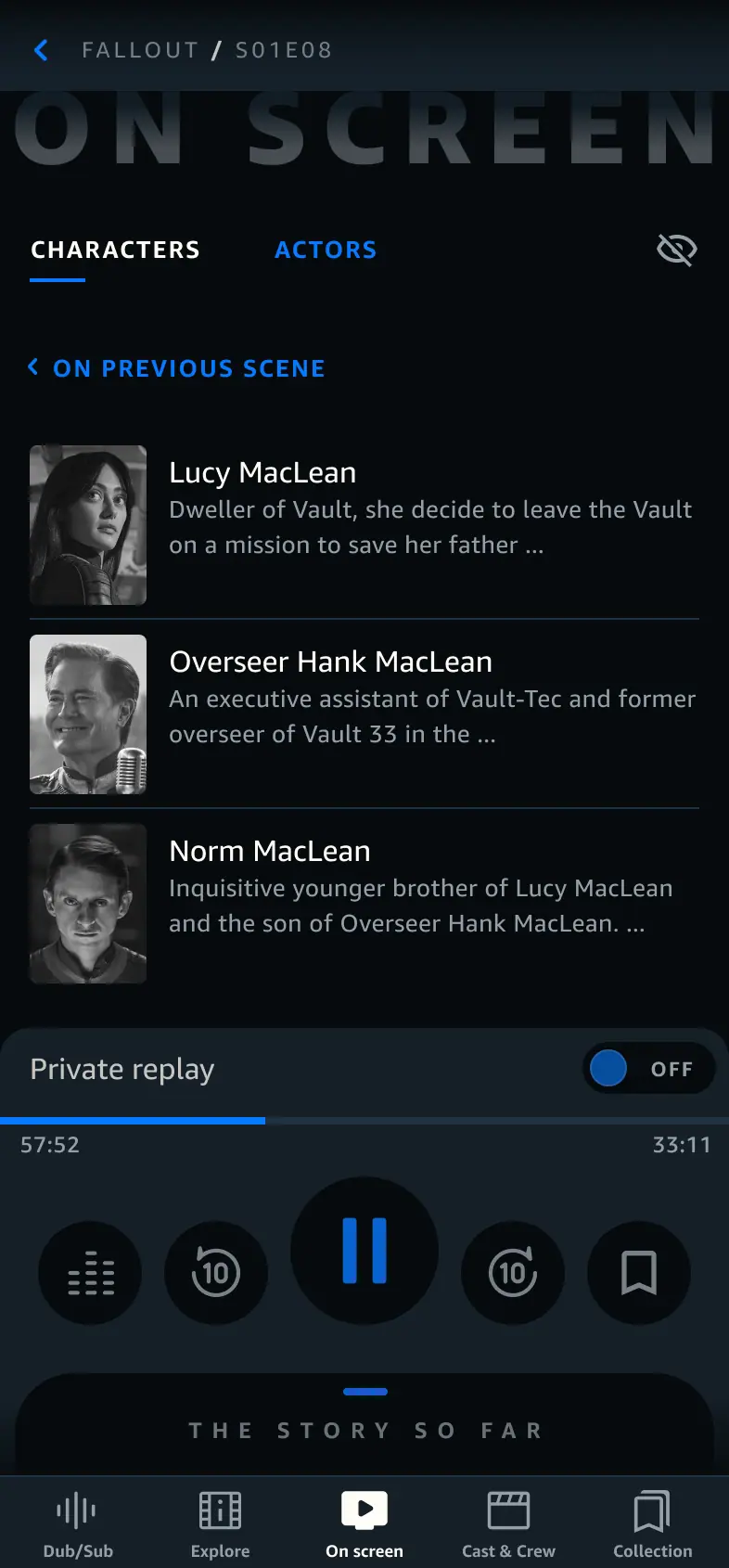
Retroactive Cast ID
Surfaces the cast from the previous scene.
No rewind, no disruption to the room.
The Story So Far
A recap scoped to an episode, a season, or a character's arc. The context latecomers and returning viewers need, right when they need it.

Capture the Search Intent
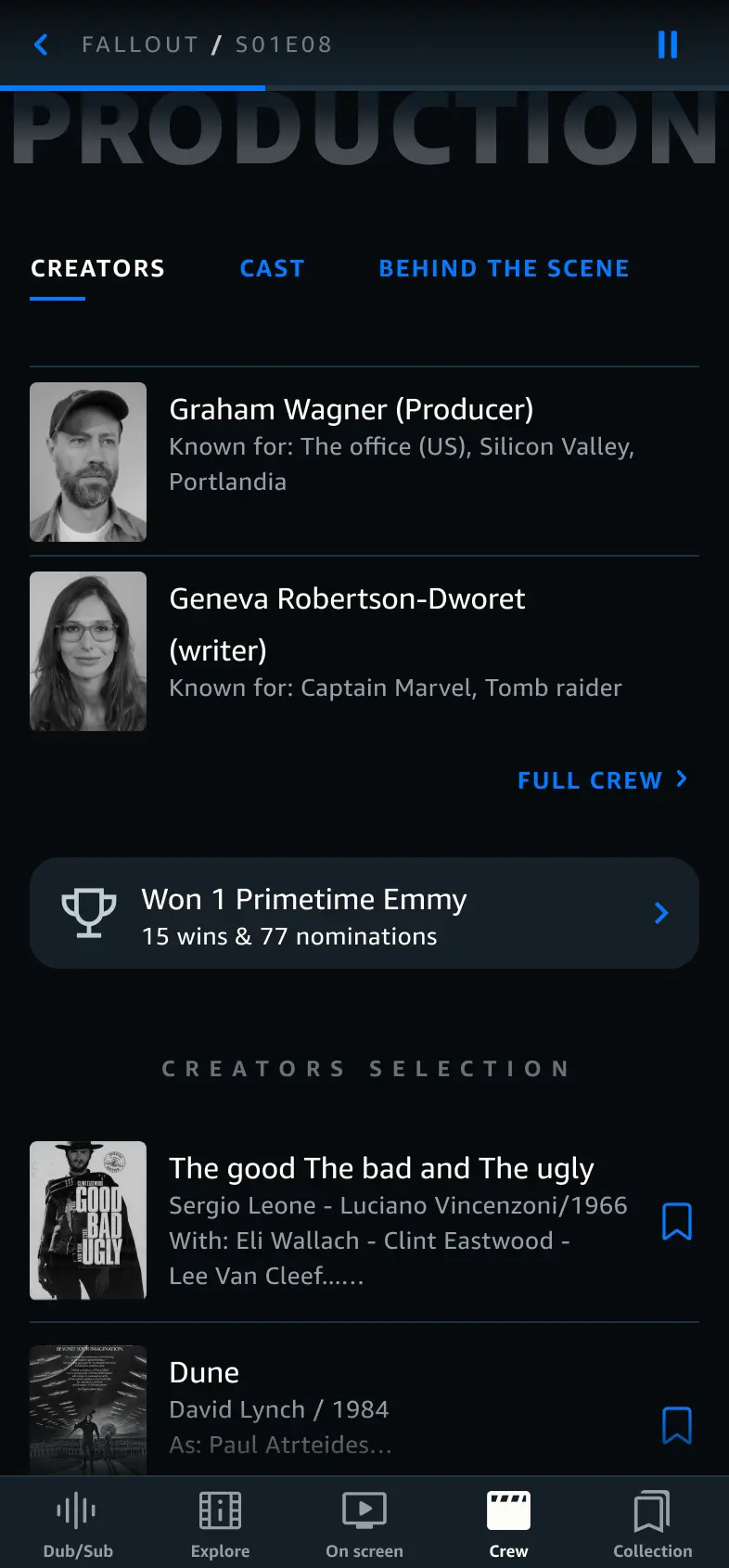
71% of viewers already reach for their phone to search programme-related content. That behaviour isn't a problem, it confirms X-Ray is solving the right thing. The failure is losing them to Google the moment they do it.
The character's story. The actor's life. Everything worth searching for, already inside the app.
Bookmarking
Convert curiosity into captured intent. Actor pages, film titles, character merchandise — all saved for later, without leaving Prime Video.
Extended Remote
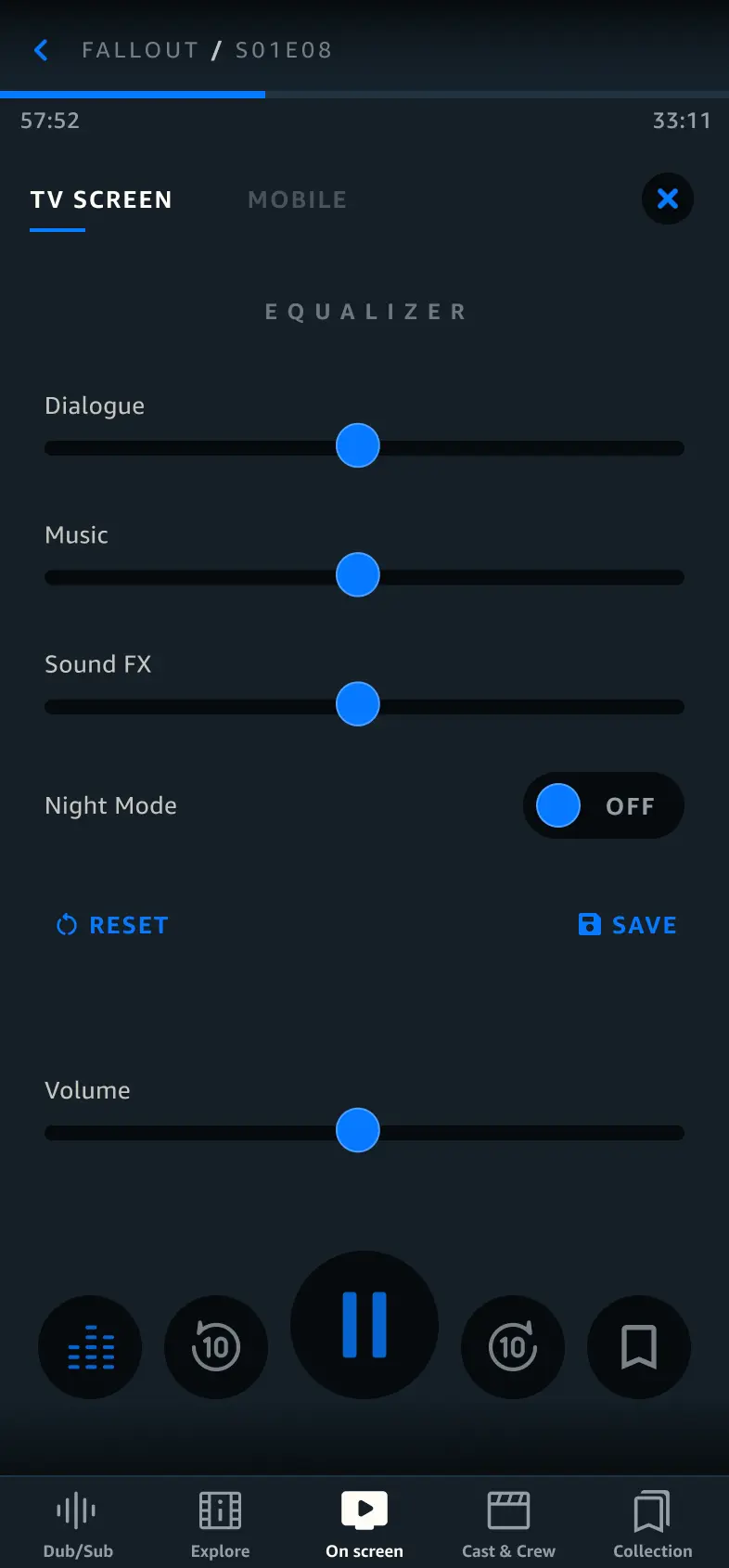
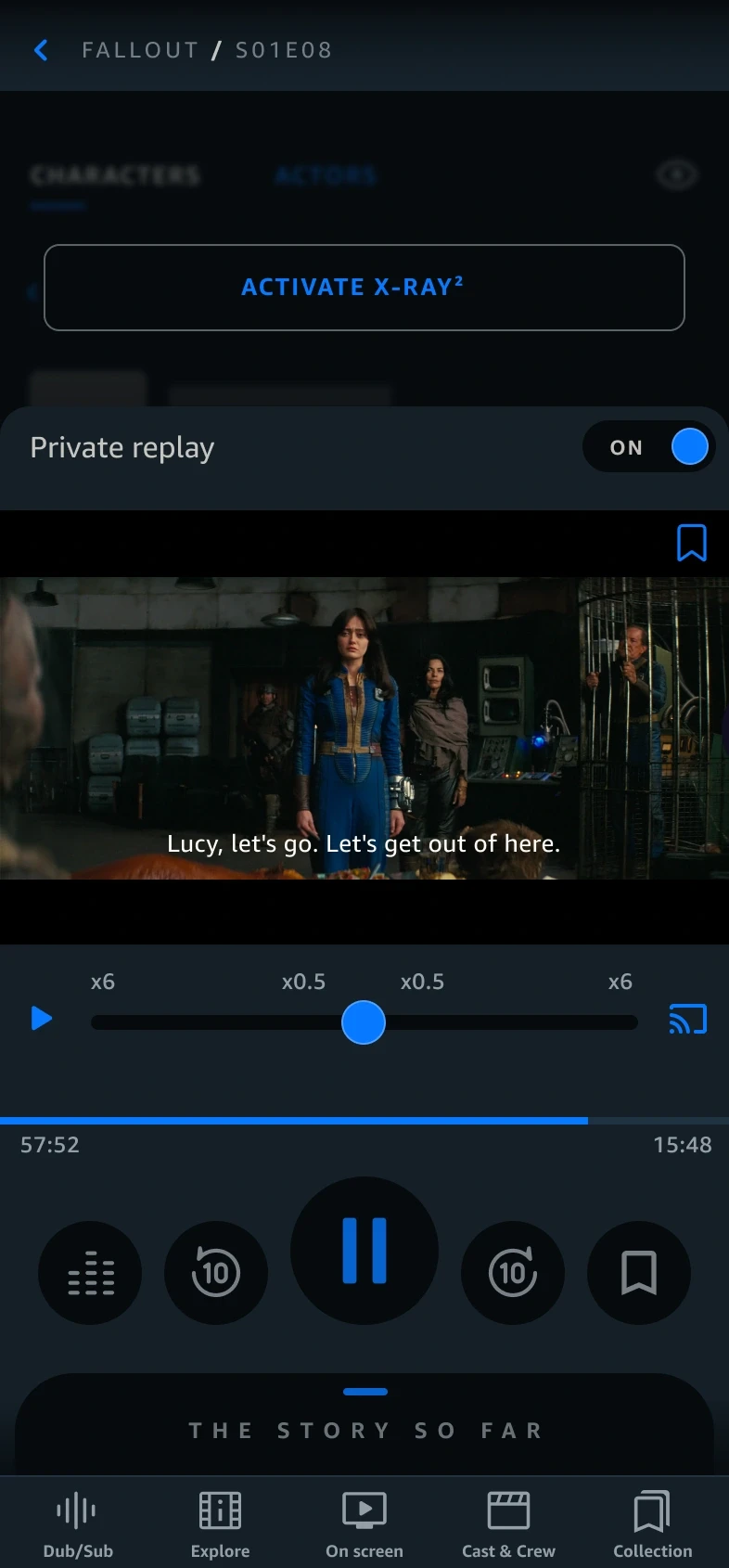
equalizer: Adjusted on your phone, applied to where it matters. Toggle between TV Screen and Mobile to tune each output independently. The room gets one mix. Your Bluetooth headphones get another.
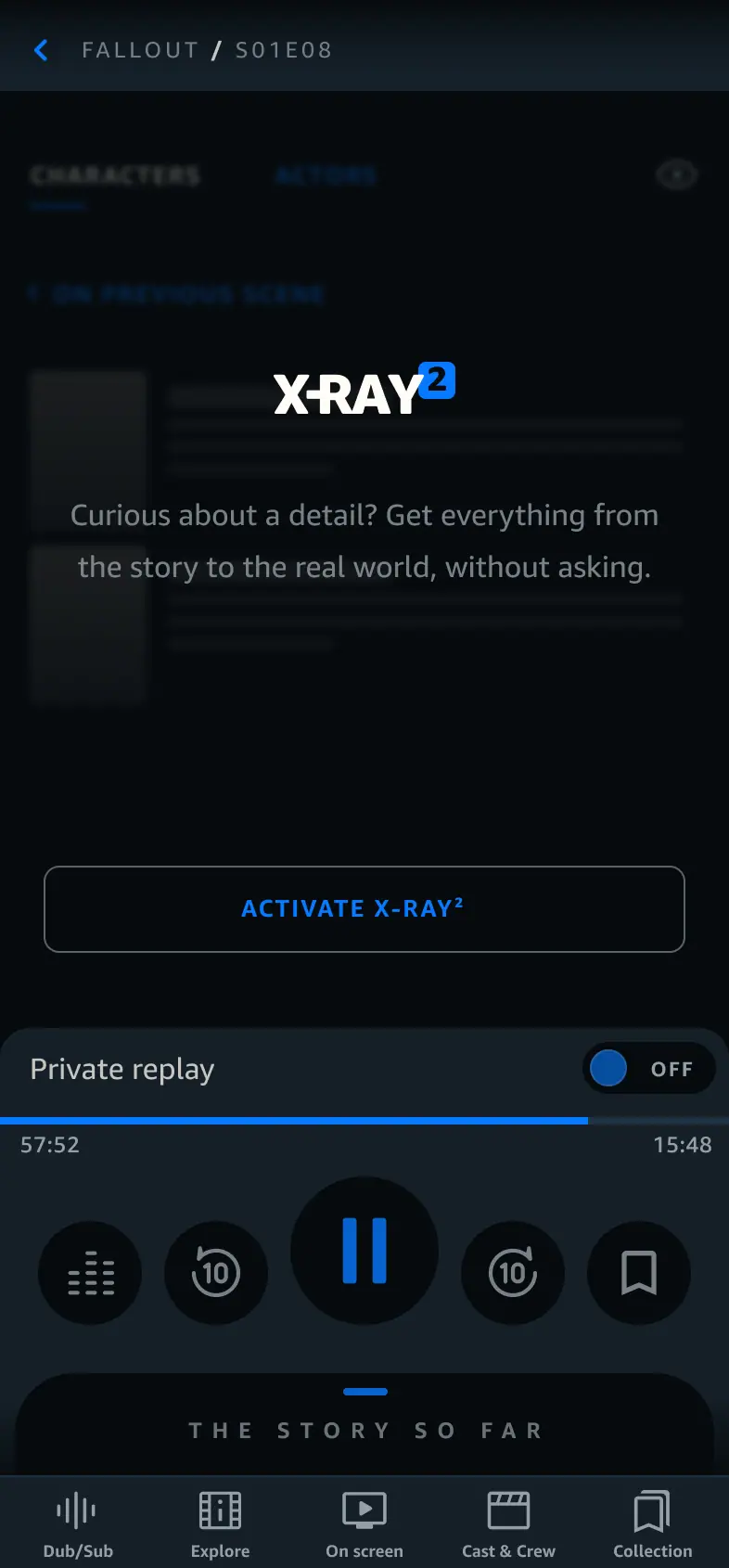
Private replay: Rewind on your phone without pausing the TV. Replays are silent with subtitles to protect the room's experience. Connect headphones to unlock private audio.
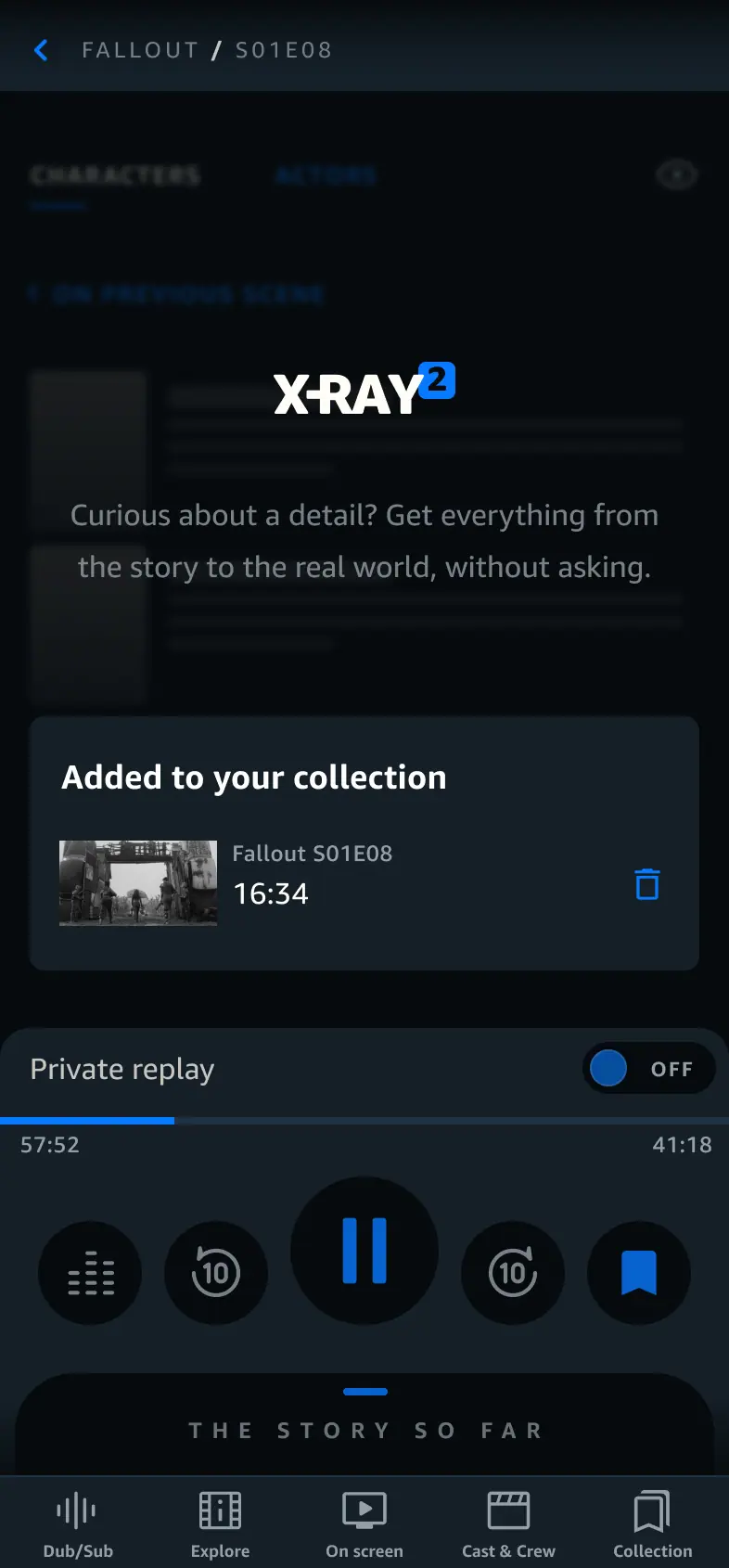
Pin a Scene: One tap on the bookmark icon marks the moment silently. Without interruption, the pin lands directly in Collection. Capture now, curate later.
One Room
Two Languages
Every platform assumes one room, one audio track. X-Ray² ends that. Cast to a TV and the phone plays a second audio track simultaneously, frame-perfect via Bluetooth.
Two experiences, one shared screen.
The feature means something different for everyone:
private Audio Description or amplified dialogue for a hard-of-hearing viewer; original audio on TV with native subtitles on phone for a language learner; English for a parent, French for their child.
Collection
Every great series leaves a trail of discoveries. Currently, that trail disappears with the credits.
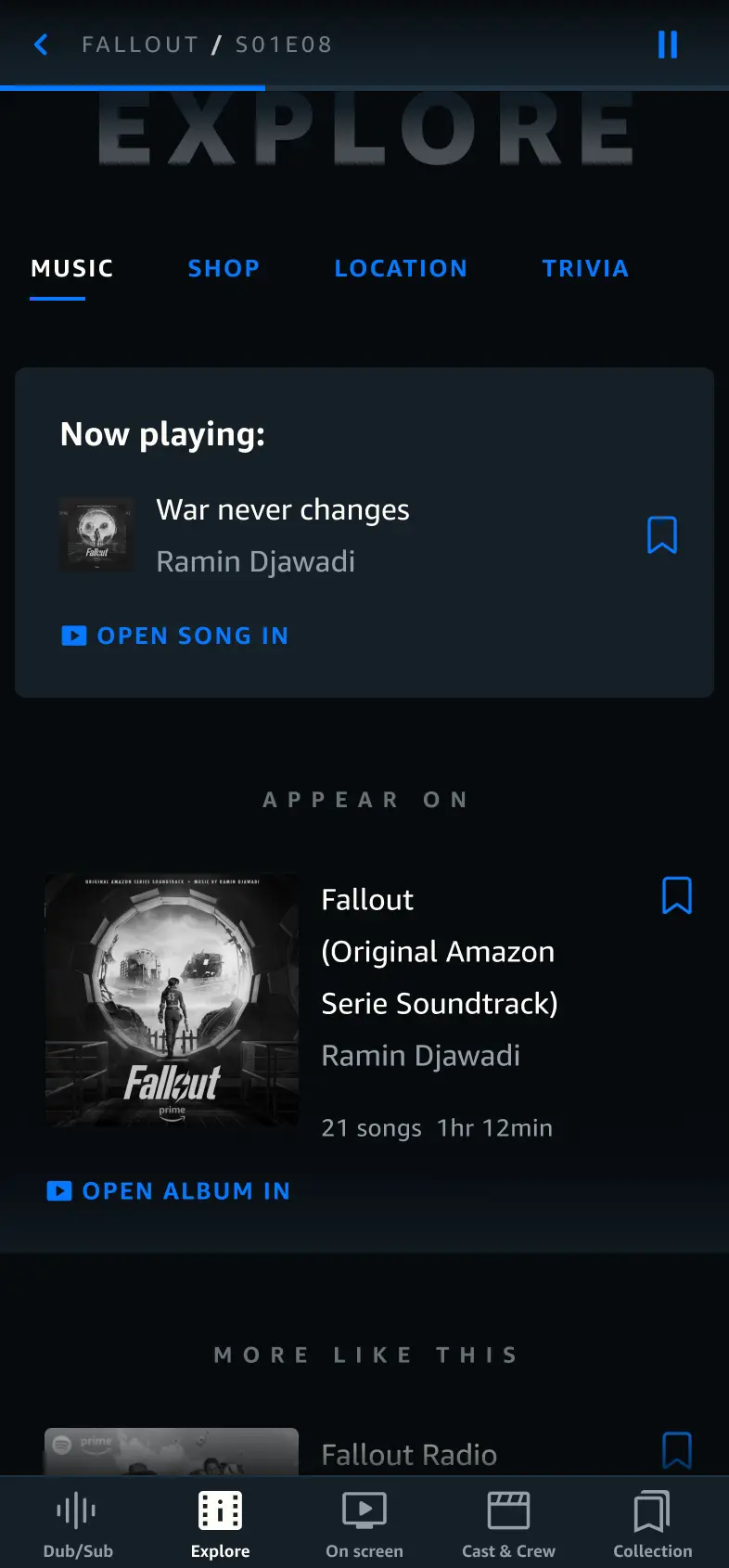
Collection makes it permanent. One tap pins a scene, saves a track, or bookmarks an actor, aggregated into a personal library, organised by category, tied to your profile.
A bookmarked actor becomes a watchlist entry. A saved track becomes an Amazon Music listener. A pinned title from Creators Selection becomes the next session.
Discovery that would otherwise leak to Google compounds inside Prime Video instead.
Design Direction
The phone shouldn't compete with the TV , so everything is dark, monochrome, peripheral. Visible when you look at it, invisible when you don't.
True black on OLED isn't just a mood. It's the most battery-efficient interface you can ship on a smartphone.
The only colour in the system is reserved for action. Amazon Blue appears exclusively on interactive elements. When something is blue, it means tap here.
X-Ray² for Sport immersion
The same conflict exists in sport as in film: data overlays fighting for the same screen as the event. The solution is the same: data moves to the second screen, the TV stays clean.
But sport adds something film doesn't. A group watching a game shares the screen but not the same stakes. A fantasy player. A casual viewer. A tactics reader. One broadcast can't serve all of them, and one screen shouldn't try.
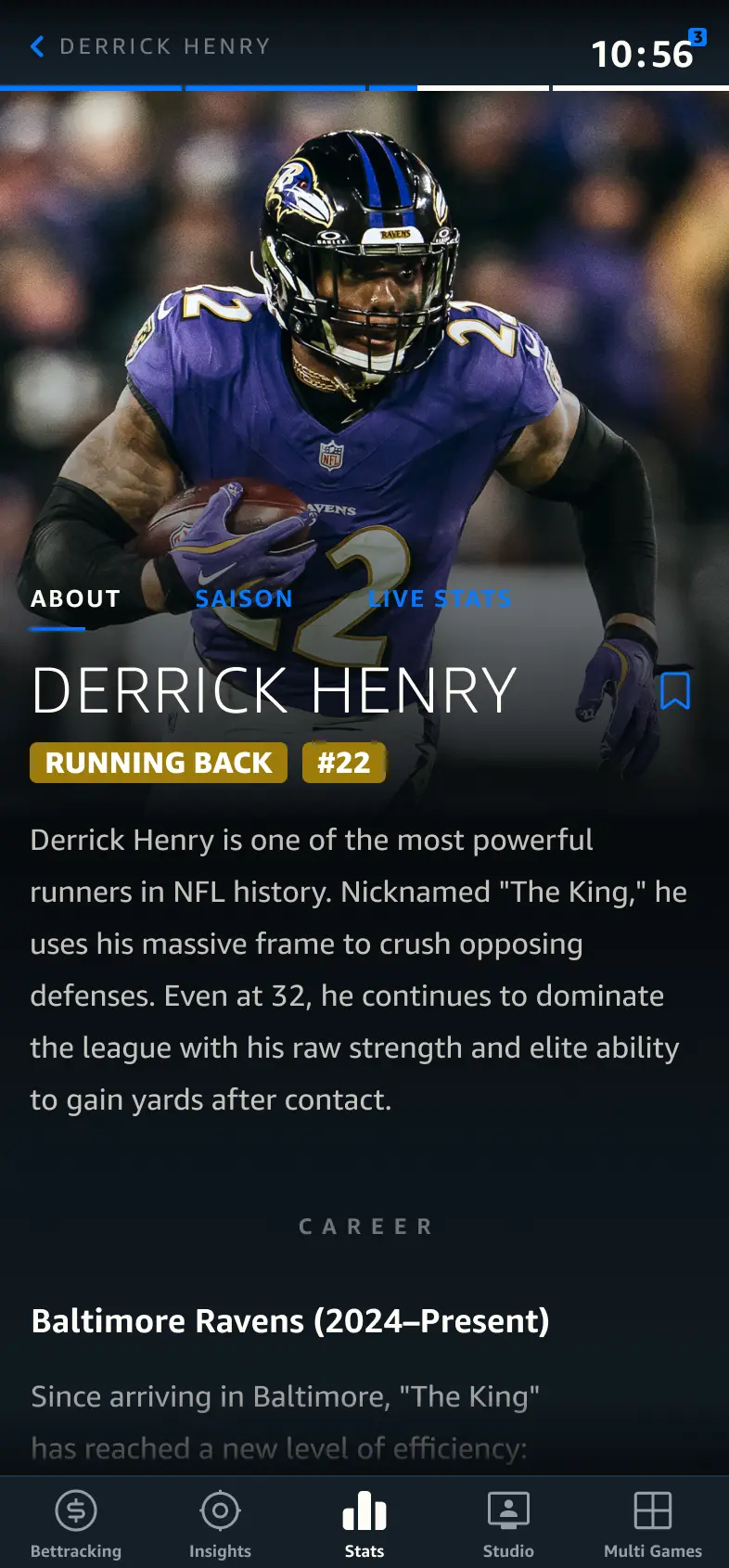
Game and player data appear automatically, in sync with the live broadcast. No searching. One tap opens any player's full performance profile.
AI insights
Advanced AI features live on your device. View tactical data privately, or cast only the insights you want onto the main screen — your call, not the broadcaster's.
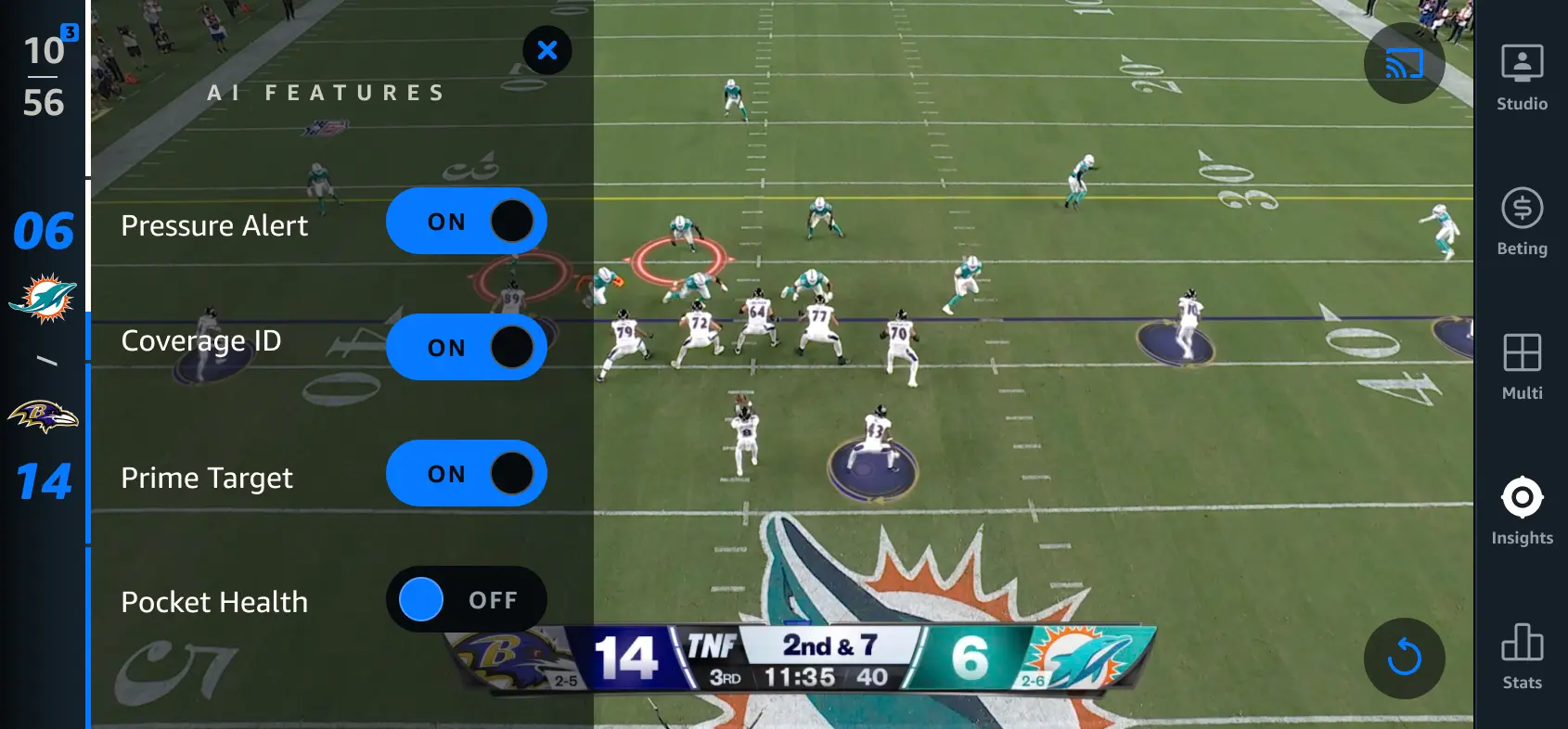
AI features : Manage overlays on your phone. Share to the TV only
what the room wants to see.
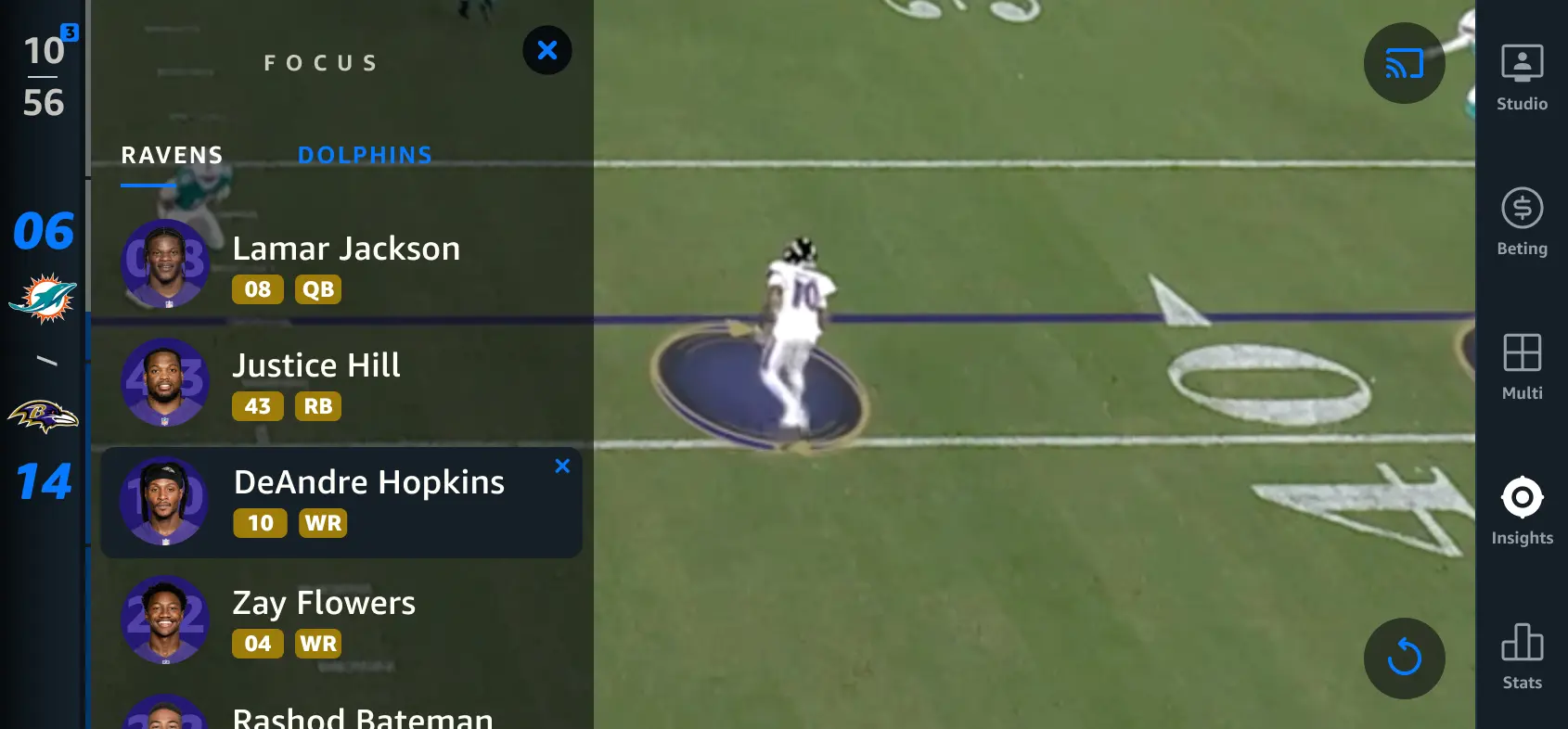
Player Focus : Select any player to isolate them within the frame. Real-time AI upscaling maintains clarity. Integrated tracking follows their movement automatically.
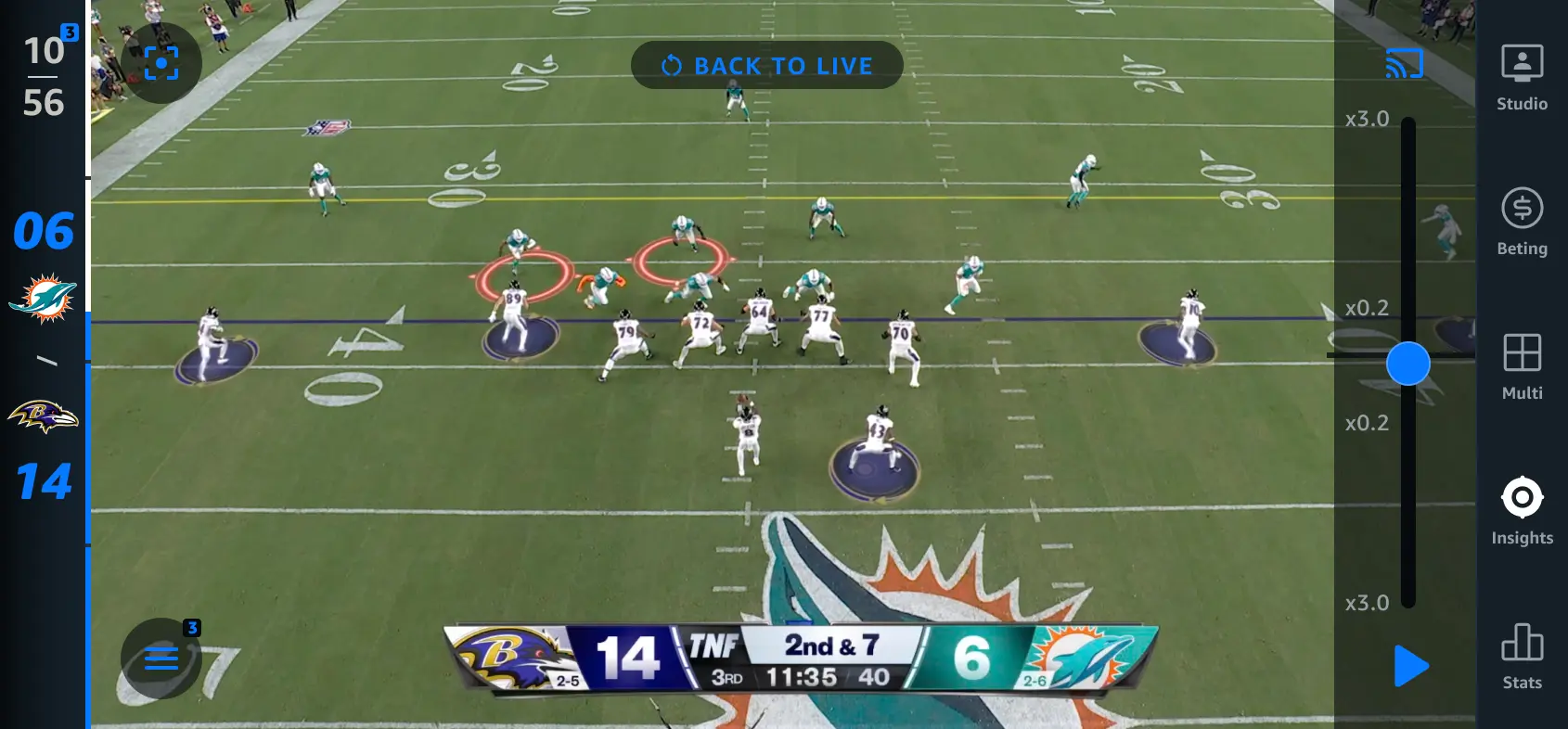
Interactive Replay : Review any play in slow motion on your phone, or cast it to the main screen.
Final Note
Streaming platforms assume that a single piece of content means a single experience. X-Ray² challenges that. People watch together, but they engage individually. The TV unifies the room, while the app delivers a personal experience without disrupting the group.
This keeps the story intact on the main screen and maintains discovery inside the Amazon ecosystem. A moment of curiosity becomes the next watch, purchase, or music session.
The infrastructure already exists. Local Wi-Fi synchronization and standard TV protocols mean this requires only a software update scaled by AWS. No new hardware is needed.
For context, I conceptualized a streaming companion app for a campaign back in 2015, coming up with features like skip intro, recaps, and a who's on-screen on second screen.
View the original 2015 pitch here:
Live More Netflix app